
banana, mango, crème brûlée: how literal are cannabis flavor notes?
if a strain is called banana lotus, should it taste like a banana?
not exactly.
and if crème noir sounds like something you'd order at a french restaurant, you're not entirely off track.
cannabis descriptions borrow a lot from the worlds of food, wine, and perfume. you'll see words like citrus, tropical fruit, vanilla, cream, earth, and gas used to describe what a strain smells and tastes like. but what do those words actually mean?
does mango mirage taste like mango juice? is there really vanilla in banana lotus? and what makes a rosin profile feel creamy without containing cream?
let's get into it.
flavor notes aren't ingredient lists
when you read that a cannabis strain has notes of mango, citrus, or vanilla, those descriptions are usually about sensory similarities — not ingredients added to recreate those flavors.
cannabis naturally produces aromatic compounds, including terpenes, that contribute to its smell and can influence how we perceive its flavor. different combinations of these compounds, alongside other components of the plant, help create the distinctive profiles we associate with individual strains.
think about walking past a lemon tree versus drinking lemonade.
both might bring citrus to mind, but they don't smell or taste identical. one is a natural aroma; the other is a finished food with its own ingredients, sweetness, and texture.
cannabis tasting notes work in a similar way. they're a vocabulary for describing what you perceive, not a promise that the product will taste exactly like the food it's named after.
so, what does “fruity” actually mean?
fruity is a starting point, not a complete description.
a profile might remind you of ripe tropical fruit, sharp citrus peel, fresh berries, or something fermented and funky. each suggests a different sensory experience.
even two strains described as fruity can smell and taste completely different.
that's why more specific tasting notes are useful. “fruit” gives you a general direction. “juicy mango with a tangy finish” paints a more particular picture.
and the experience can vary from person to person. your idea of a tropical aroma might remind someone else of something floral, sweet, or earthy.
there isn't always one correct answer.
banana lotus: banana, but make it botanical
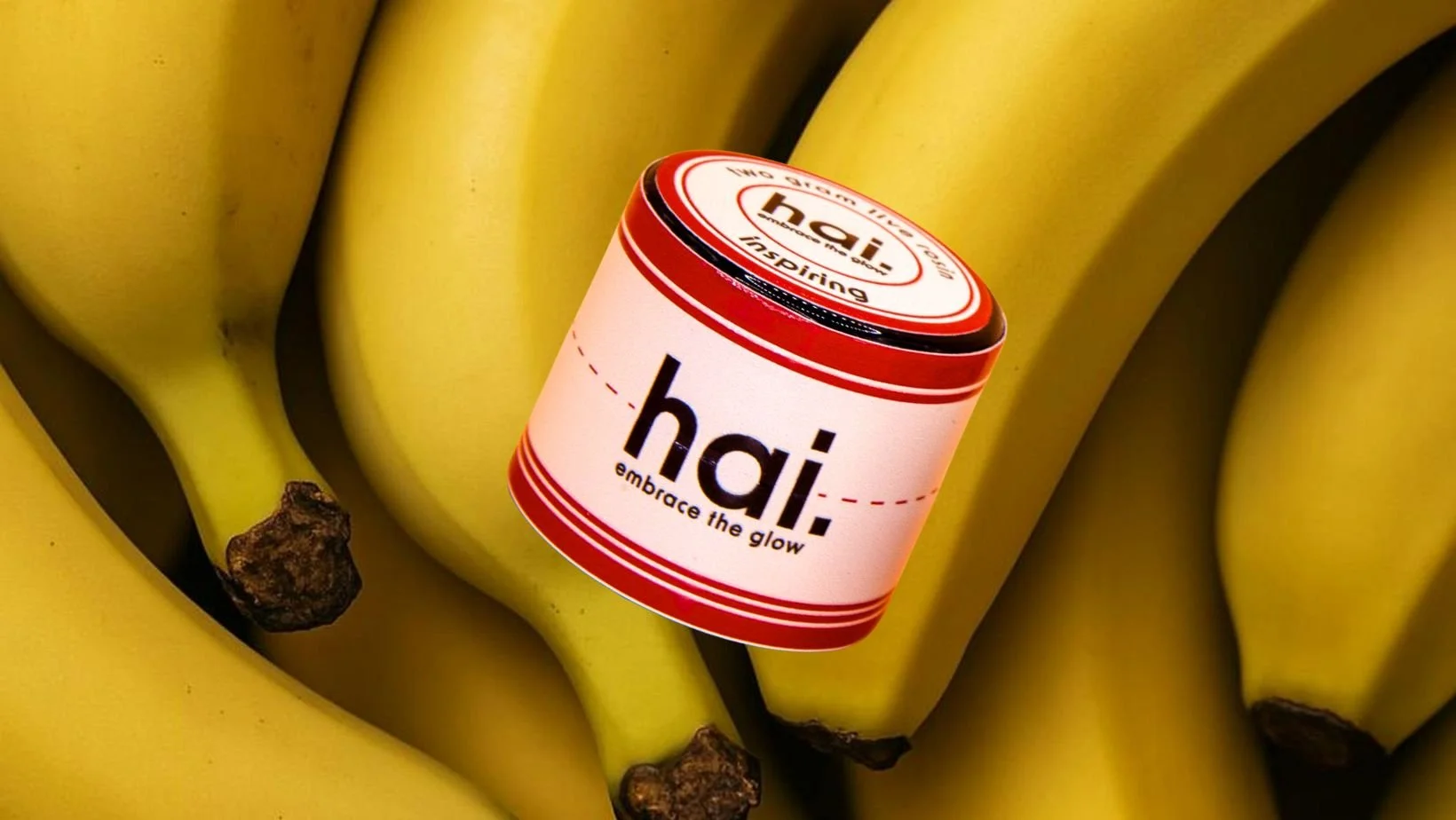
banana lotus is a bright sativa with notes of ripe banana and silky vanilla.
but don't expect to open the jar and mistake it for a smoothie.
the banana reference describes a familiar aromatic impression: ripe, sweet, and tropical. the vanilla note adds another dimension, suggesting a softer, warmer character alongside the fruit.
together, these notes help communicate the strain's flavor personality without reducing it to a single ingredient.
when exploring a profile like this, try separating the impressions instead of looking for one exact flavor. does the fruit come through first? Does the vanilla feel more noticeable afterward? Does the overall profile seem sweet, fresh, or something in between?
the goal isn't to guess the name correctly. it's to figure out what you notice.
mango mirage: tropical doesn't mean sugary
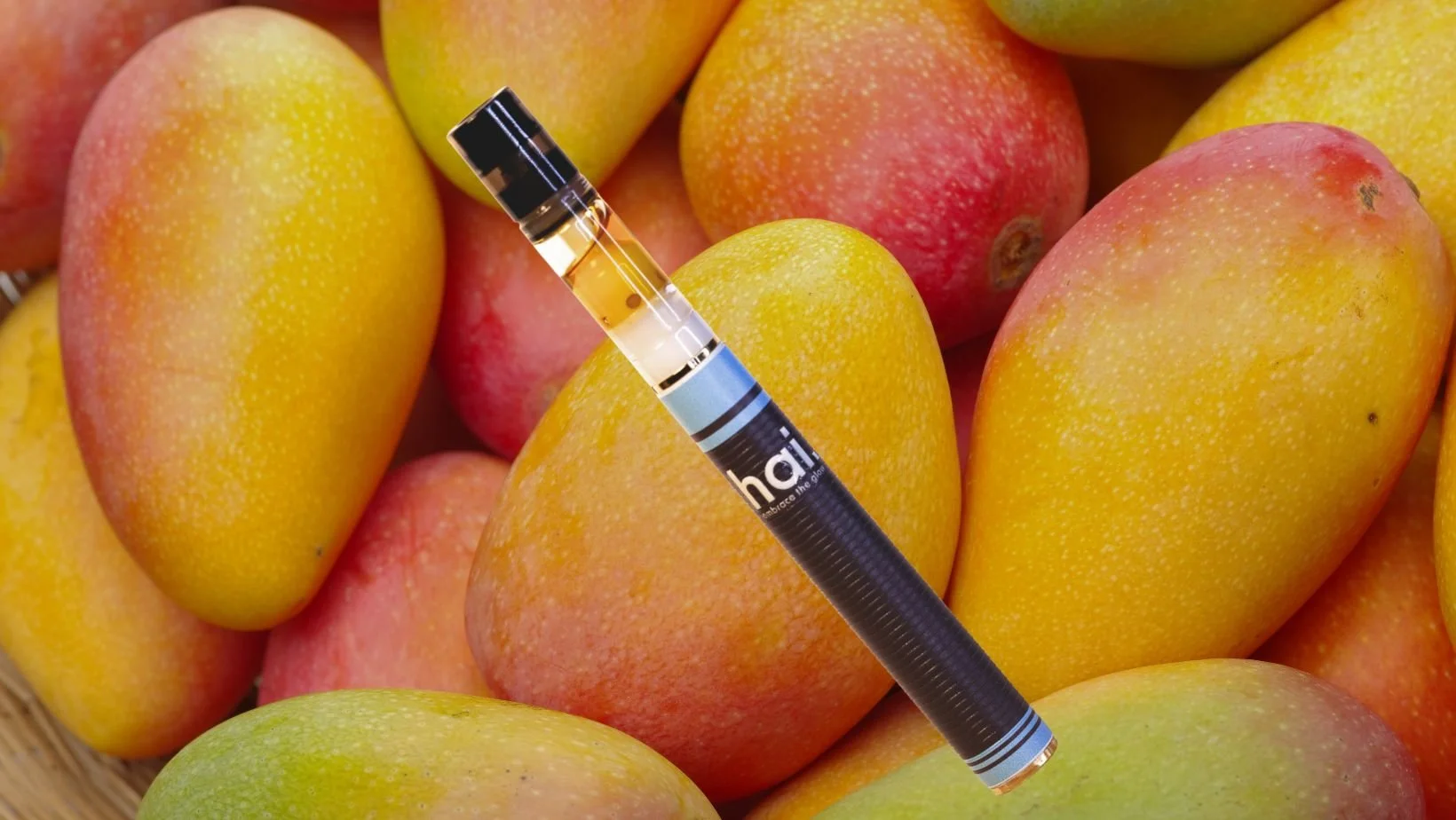
mango mirage brings juicy mango notes with a tangy fruit finish.
the word “mango” gives you a familiar reference point, but the full profile is more nuanced than simply tasting a piece of fruit.
think about the difference between a ripe mango, its skin, and the sharpness of a slightly underripe one. each has a different balance of sweetness, acidity, and aroma.
a cannabis profile described as juicy or tropical can evoke some of those same impressions without containing mango juice or tasting identical to the fruit.
the tangy finish matters, too. it gives the description another dimension beyond sweetness.
when tasting, pay attention to how the profile develops. the first impression isn't always the whole story.
crème noir: what does “creamy” taste like without cream?
creamy is one of the more interesting words in cannabis descriptions because it can refer to several overlapping impressions.
it might suggest a soft, rounded aroma, a sweet impression, or a flavor profile that feels richer than something sharp and citrus-forward.
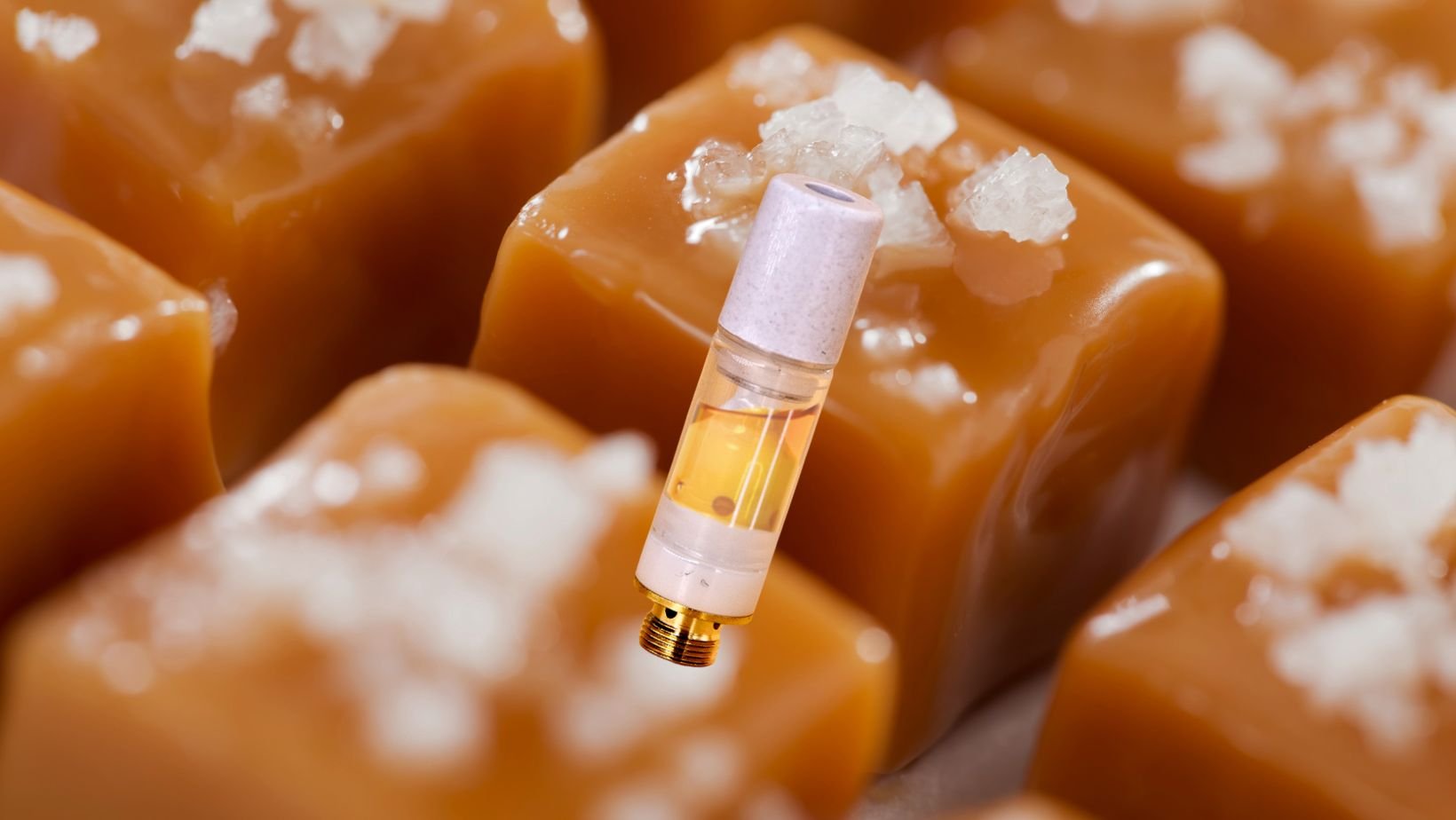
crème noir pairs creamy notes with a salty caramel edge. together, those references evoke something richer and more indulgent than a straightforward fruit profile.
that doesn't mean there's cream or caramel in the rosin.
it's sensory shorthand — a way of communicating the character of a flavor through something familiar.
the same thing happens in coffee. a tasting note might describe chocolate, toasted nuts, or caramel without those ingredients being added to the cup.
the comparison helps you imagine the experience, even when the actual source is different.
why solventless rosin makes flavor worth exploring
with solventless rosin, the focus is on concentrating the plant's natural resin rather than adding flavorings to recreate a particular profile.
hai. live rosin is made from sun-grown cannabis and pressed using heat and pressure, without chemical solvents. our approach keeps the focus on the plant's natural character.
that makes flavor and aroma an interesting part of the experience to explore.
but tasting notes aren't chemical analyses. a description like “silky vanilla” communicates a sensory impression; it doesn't identify a specific compound or guarantee that everyone will perceive the same thing.
and while terpenes contribute to cannabis aroma, they aren't the entire explanation for everything you smell or taste. the overall profile comes from a more complex combination of compounds and individual perception.
the most useful descriptions leave room for that complexity.
try tasting without the cheat sheet
here's a small experiment for your next legal, adult cannabis tasting.
before reading the product description, take a moment to notice the aroma. write down the first two or three things that come to mind.
then look at the tasting notes.
do they match your impressions? did you notice something the description didn't mention? did a word like “creamy” or “tropical” help you identify something you couldn't quite describe before?
there are no points for getting it right.
you might discover that you gravitate toward citrus profiles. You might prefer earthy, savory notes. Or you might find that the strains you enjoy most are the ones that don't fit neatly into a single category.
that's the fun of learning your own preferences.
flavor is a starting point, not a promise
banana lotus doesn't need to taste exactly like a banana. mango mirage doesn't need to resemble fruit juice. and crème noir doesn't need actual caramel to evoke something rich and creamy.
these descriptions are a shared language — a way to communicate what makes one profile distinct from another.
the more you explore, the more specific your own vocabulary becomes.
and eventually, instead of asking whether a strain tastes exactly like its name, you might find yourself asking a better question:
what, exactly, am i noticing?
that's where the interesting part begins.


