
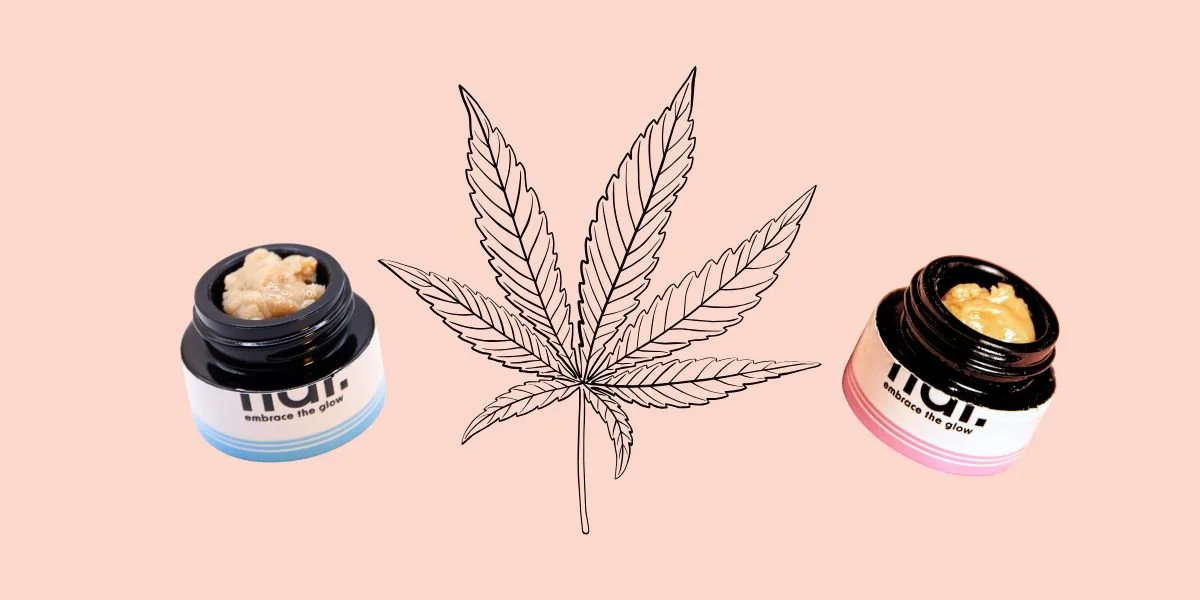
cannabis is more than thc.
the way a product makes you feel — calm, lifted, focused, grounded — is shaped by a complex interaction of compounds working together. this interaction is known as the entourage effect, and it’s one of the most important ideas in modern cannabis science.
understanding it helps explain why two products with the same thc percentage can feel completely different — and why whole-plant cannabis often delivers a more balanced experience.
what is the entourage effect?
the entourage effect describes how cannabinoids, terpenes, and other plant compounds interact synergistically, influencing the overall effect of cannabis.
instead of acting in isolation, these compounds amplify, soften, or steer one another. the result is a more nuanced, predictable experience than thc alone can provide.
the term was first introduced in the late 1990s by researchers exploring how cannabinoids behave together — and it’s become a foundational concept for anyone seeking intentional cannabis use.
why thc alone doesn’t tell the full story
thc is often treated as the main event, but it’s only one part of the equation.
on its own, thc can feel sharp, overwhelming, or inconsistent. when paired with supportive terpenes and minor cannabinoids, the experience tends to feel:
smoother
more balanced
more aligned with intention
this is why chasing high thc numbers doesn’t always lead to better highs — and sometimes leads to discomfort instead.
the role of terpenes in the entourage effect
terpenes are aromatic compounds that do far more than add flavor. they influence how cannabinoids interact with your body and brain.
for example:
limonene may enhance uplifting, mood-forward effects
myrcene often supports relaxation and body ease
beta-caryophyllene interacts directly with cb2 receptors, influencing physical comfort
within the entourage effect, terpenes act like guides, shaping the direction of the experience.
cannabinoids working together
beyond thc and cbd, cannabis contains dozens of minor cannabinoids that contribute to the entourage effect.
when these compounds coexist, they can:
temper intensity
extend duration
shift how effects are perceived
this layered interaction is what gives full-spectrum cannabis its depth — and why whole-plant products tend to feel more complete.
why extraction method matters
how cannabis is processed plays a major role in whether the entourage effect is preserved or lost.
highly refined extracts often isolate thc while stripping away terpenes and minor cannabinoids. the result may be potent, but less dimensional.
at hai., we prioritize solventless extraction and terpene preservation to keep the plant’s natural balance intact. the goal isn’t just strength — it’s cohesion.
how the entourage effect shows up in hai. products
we design our products with the entourage effect in mind from the start.
instead of formulating around thc targets, we focus on:
terpene profiles
cannabinoid balance
how the experience unfolds over time
this is why a hai. rosin jar or aio vape feels intentional rather than aggressive. the effects are guided, not forced.
for example, terpene-forward profiles rich in beta-caryophyllene tend to feel more grounding and body-led, while citrus-leaning profiles often feel brighter and more social — even at similar potency levels.
choosing cannabis through the lens of the entourage effect
if you want more consistent, enjoyable experiences, shift your focus from numbers to composition.
next time you shop, consider:
terpene profile
extraction method
cannabinoid balance
how you want to feel
the entourage effect isn’t a buzzword — it’s a framework for understanding how cannabis actually works.
the takeaway
cannabis is a conversation between compounds.
the entourage effect explains why whole-plant, terpene-rich products tend to feel smoother, clearer, and more aligned with intention.
at hai., we honor that conversation — preserving the plant’s natural chemistry so the experience feels thoughtful, balanced, and true.
because better cannabis isn’t louder. it’s more connected.


